
The Rise of Hyper-Local Digital Platforms in the Philippines: A 2026 Outlook
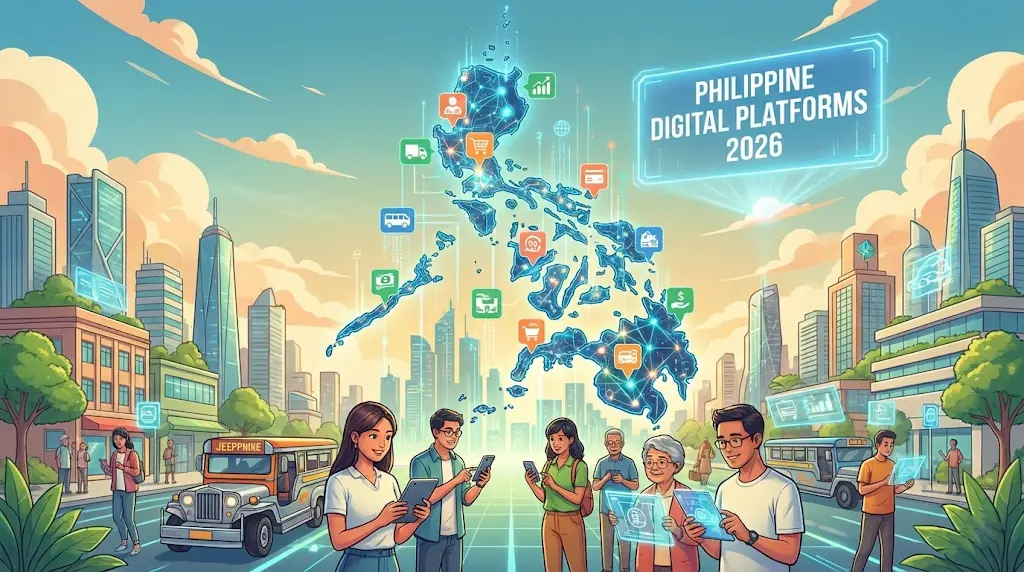
Introduction The Philippine digital economy is currently experiencing a “Golden Age.” According to recent data from the Department of Trade and Industry (DTI), the internet economy in the country is projected to reach $35 billion by the end of the year. But what is driving this massive growth? It is no longer just the international giants like Facebook or Netflix; it is the rise of homegrown, hyper-local platforms that understand the Filipino pulse.
Table of Contents
Why “Local” is Winning Over Global Giants
For years, Filipino users had to adapt to international interfaces that didn’t quite fit their needs. Foreign apps often required credit cards (which few Filipinos had) or high-speed bandwidth (which was rare outside Manila).
The Shift to Vernacular Interfaces
Today, the script has flipped. Local developers are building “Philippine-First” ecosystems. These platforms integrate seamlessly with GCash and Maya, work on prepaid mobile data, and use vernacular language that resonates with the masa. This “localization strategy” is the secret weapon that is allowing domestic brands to outperform global competitors in specific niches like entertainment and logistics.
The Importance of Direct Access and Security
Security has also become a major priority for these local operators. With the rise of phishing scams, legitimate platforms are investing heavily in educating users to use official channels only.
Centralizing Traffic for Safety
A clear example of this shift towards secure, direct access is the operational model of emerging entertainment hubs. Leading platforms now encourage users to bypass third-party aggregators to ensure data safety. For instance, the official portal https://pinoy365.com.ph has become a central hub for users seeking verified access to their services, eliminating the risks associated with unauthorized mirror sites. By centralizing traffic to a single, secure domain, these companies are building a layer of trust that was previously missing in the local market.
Mobile-First Infrastructure for the Archipelago
Another key factor is the “Mobile-First” architecture. The Philippines is unique because it skipped the “Desktop Era” and went straight to mobile. Successful local platforms are designing their sites to be lightweight and responsive. They strip away heavy coding that drains battery life, focusing instead on speed and utility.
Adapting to Variable Internet Speeds
This approach acknowledges the reality of Philippine internet infrastructure—it varies wildly from island to island. A platform that loads in 2 seconds in Makati must also load in 2 seconds in a rural province. This technical empathy for the user is what separates the market leaders from the failures.
Conclusion: The Future of the Filipino Web
As we look towards 2027, the trend is clear. The platforms that will dominate are those that combine global-standard technology with hyper-local execution. We are moving away from a generic internet into a personalized, localized digital experience. For the Filipino consumer, this means safer transactions, faster connections, and services that truly feel like they were made for them.